
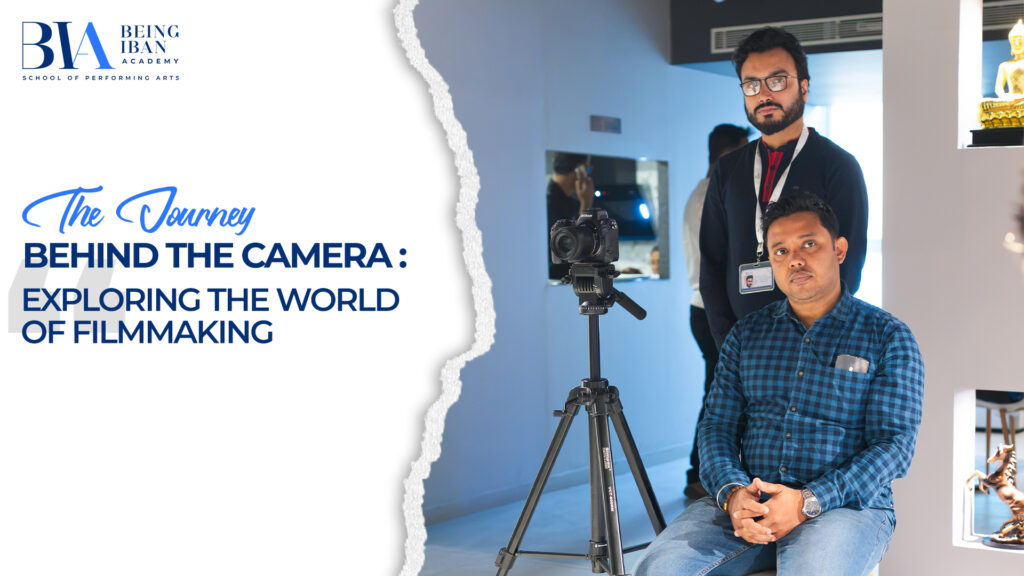
Filmmaking is often associated with actors standing in front of the camera, but the magic of cinema begins long before the first scene is filmed. Behind every memorable movie is a complex creative process involving storytelling, direction, cinematography, sound, editing, production design, and countless decisions made behind the camera. The Journey Behind the Camera: Exploring the World of Filmmaking offers a glimpse into this fascinating process and the skills required to transform an idea into a visual story. For anyone considering a Filmmaking Course, understanding what happens behind the camera is the first step towards discovering the many creative opportunities within the industry.
Every film begins with an idea, but turning that idea into a complete story requires careful planning. Screenwriting establishes the narrative, characters, scenes, and dialogues, while the director develops the creative vision of the project. Pre-production then brings different departments together through location scouting, casting, scheduling, costume planning, production design, and shot planning. A Filmmaking Course introduces students to these fundamental stages and helps them understand how different roles contribute to one final production.
Cinematography is another essential part of The Journey Behind the Camera: Exploring the World of Filmmaking. Camera angles, framing, lenses, lighting, colour, and camera movement can completely change how an audience experiences a scene. A cinematographer works closely with the director to translate the emotional and visual requirements of a story into images. Learning about these techniques gives aspiring filmmakers a stronger understanding of how visual storytelling works. Practical exposure to cameras, lighting equipment, and real production environments can make this learning even more meaningful, which is why hands-on projects are an important part of filmmaking education at Being Iban Academy.
Filmmaking does not end when the shooting is completed. Post-production brings together the footage, sound, music, visual effects, colour grading, and editing to create the final film. Editors carefully select and arrange shots to control the rhythm and emotional impact of a story. Sound designers and composers further strengthen the atmosphere, while colour grading establishes the visual tone. This collaborative process demonstrates why filmmaking requires both technical knowledge and creative thinking.
Ultimately, The Journey Behind the Camera: Exploring the World of Filmmaking is a journey through storytelling, technology, teamwork, and imagination. From developing the first concept to presenting the finished film, every stage offers an opportunity to create something meaningful. For aspiring filmmakers, a structured Filmmaking Course can provide the knowledge, practical experience, and creative exposure needed to explore this dynamic industry. With guidance from experienced mentors such as Mr. Abhijit Chowdhury at Being Iban Academy, students can begin understanding filmmaking not simply as a career, but as an art of bringing stories to life.