Becoming a professional performing artist requires more than talent or an interest in the creative field. Successful performers develop a combination of technical ability, confidence, discipline, communication, and adaptability that allows them to work effectively in different professional environments. The Skills That Define a Professional Performing Artist are developed gradually through consistent practice, practical exposure, and structured guidance. Whether an individual wants to pursue acting, modelling, dance, theatre, or screen performance, building these skills can create a stronger foundation for a sustainable career.
One of the most important skills is performance technique. Actors need to understand voice modulation, facial expressions, body language, improvisation, character development, and emotional expression. Models need skills such as posture, posing, ramp walking, grooming, and camera presentation. Dancers require rhythm, coordination, movement control, and stage awareness. These technical abilities allow performers to communicate ideas and emotions effectively while adapting their performance to different situations. A structured Performing Arts Academy can help students develop these abilities through regular exercises and practical assignments.
Communication is another essential part of The Skills That Define a Professional Performing Artist. Performers constantly interact with directors, casting professionals, photographers, choreographers, fellow artists, and audiences. Clear communication helps them understand instructions, express creative ideas, receive feedback, and collaborate effectively. Confidence also plays an important role, particularly during auditions and live performances. Personality Development and communication training can therefore complement technical performance skills and help aspiring artists present themselves professionally.
Adaptability and discipline are equally important. Every project can involve different characters, creative directions, working environments, schedules, and teams. A professional performer must be prepared to learn quickly and adjust without losing focus. Regular rehearsals and Performing Arts Training can develop punctuality, preparation, teamwork, consistency, and the ability to respond constructively to feedback. These qualities often distinguish a professionally prepared performer from someone who relies only on natural ability.
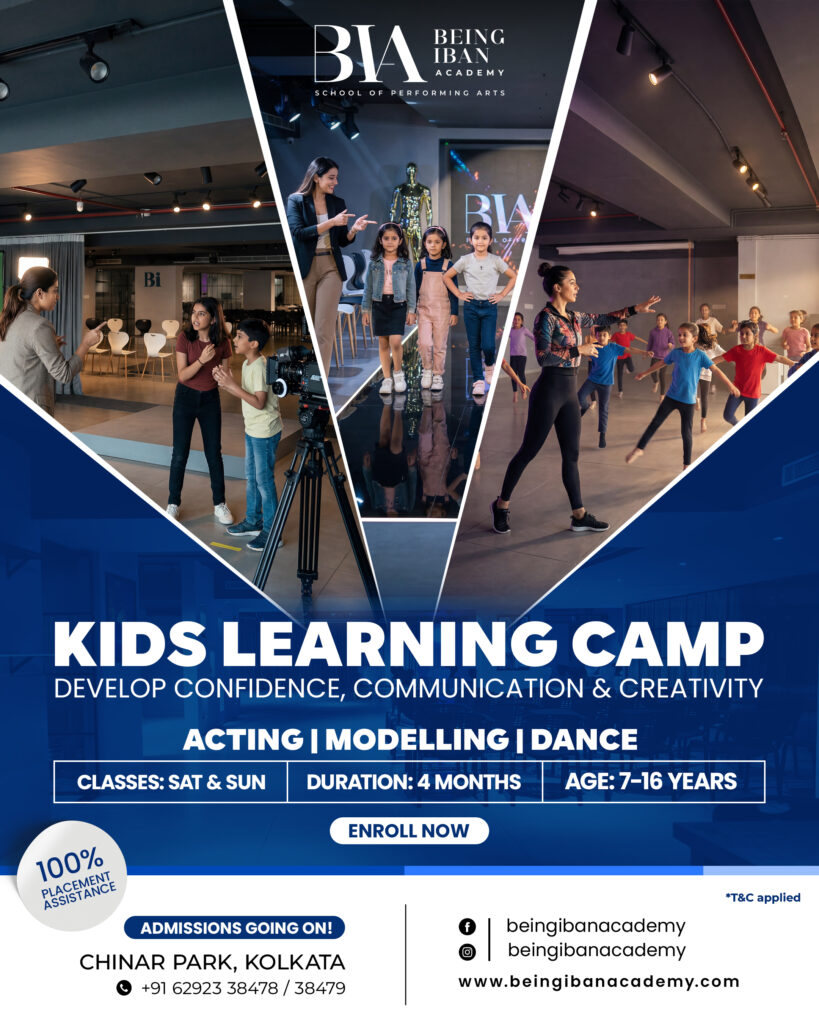
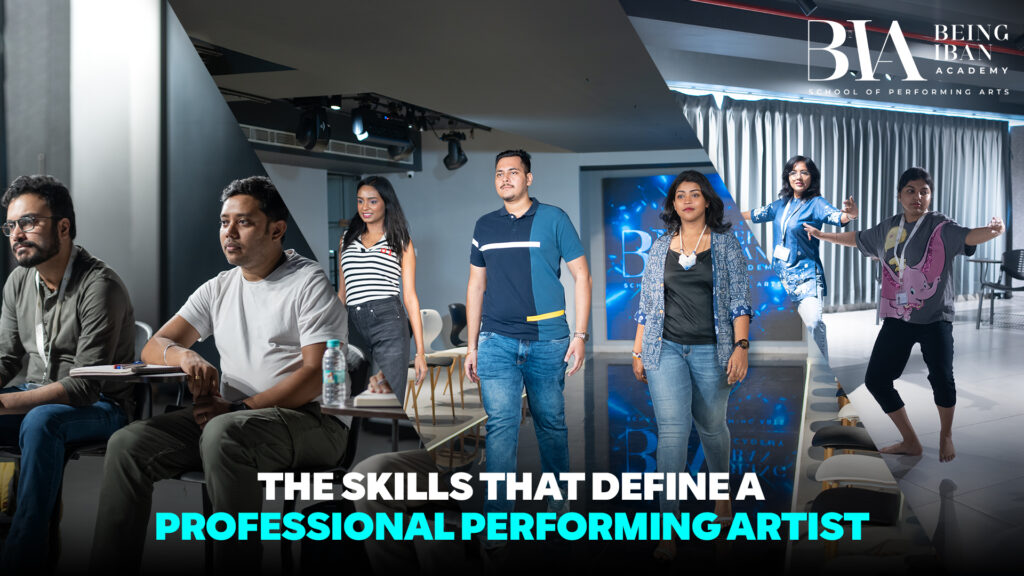
At Being Iban Academy, aspiring performers can explore these essential skills through structured learning and practical exposure. Activities involving acting, modelling, dance, camera performance, rehearsals, and creative projects can help students understand how individual skills work together in professional performance environments.
Ultimately, The Skills That Define a Professional Performing Artist extend far beyond what audiences see on stage or screen. Technical knowledge, communication, confidence, discipline, adaptability, creativity, and continuous learning all contribute to professional growth. With consistent practice and the right training environment, aspiring artists can develop their potential and become more prepared to navigate the opportunities and challenges of the entertainment industry.