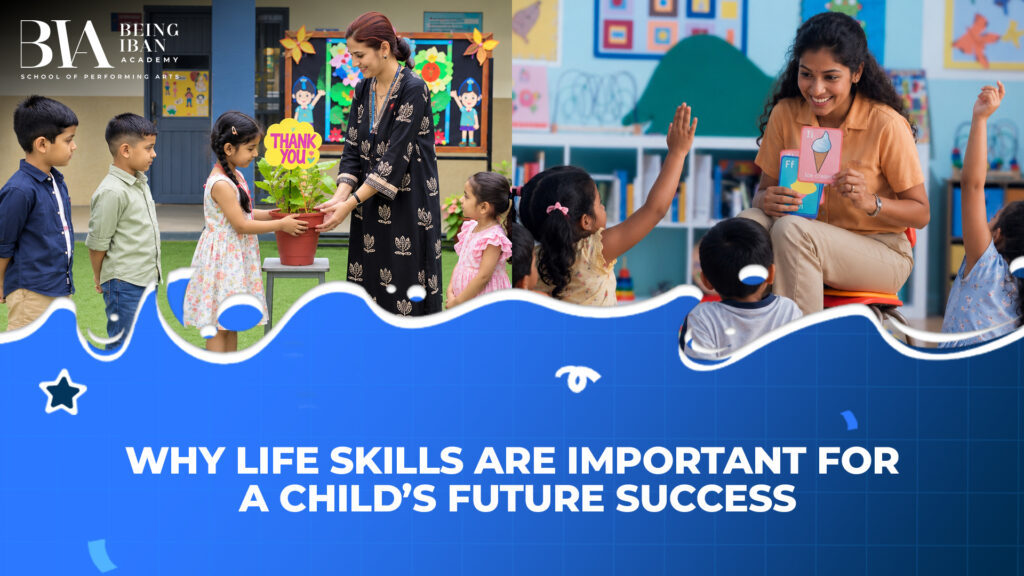
Life skills for children are essential for building confidence, independence, and the ability to handle everyday challenges. While academic knowledge provides an important foundation, life skills for children also include communication, decision-making, problem-solving, and emotional intelligence. Developing these abilities early helps children become responsible, adaptable, and confident individuals. Understanding why life skills for children matter highlights the importance of holistic child development and preparing children for challenges beyond the classroom.
1. Communication Skills for Better Relationships
Effective communication skills for kids are among the most important life skills for children. They help children express their thoughts clearly, listen actively, ask questions, and share opinions respectfully. Parents and educators can develop these abilities through storytelling, group discussions, public speaking, and self-expression activities. These experiences improve listening skills, build social confidence, and help children communicate effectively at home, at school, and in social environments.
2. Decision-Making and Problem-Solving Skills
Problem-solving skills for kids encourage independent thinking and help children understand the consequences of their choices. Developing life skills for children through age-appropriate activities allows them to evaluate options, overcome obstacles, and make responsible decisions. Kids life skills development programmes can introduce practical challenges that strengthen creativity, critical thinking, and logical reasoning. These abilities support children in their studies, friendships, and everyday situations.
3. Confidence Building and Personality Development
Confidence helps children express their opinions, explore new interests, and approach unfamiliar situations positively. Personality development for kids focuses on self-awareness, positive behaviour, resilience, and effective communication. Confidence-building activities help children overcome hesitation, participate in group settings, and develop a positive self-image.
Confidence building classes for kids can provide a supportive environment where children practise speaking, teamwork, and self-expression. These experiences support child personality development and reinforce important life skills for children, helping them learn from mistakes instead of fearing failure.
4. Emotional Intelligence and Mindfulness
Emotional intelligence for children involves recognising feelings, understanding other people’s perspectives, and responding calmly to challenging situations. These abilities promote empathy, patience, cooperation, and healthy relationships. Mindfulness activities for kids, including breathing exercises and guided conversations, can help children understand their emotions and manage stress.
Emotional awareness is a valuable part of life skills for children because it helps them handle disagreements, develop resilience, and respond thoughtfully to everyday challenges.
5. Teamwork, Creativity, and Self-Expression
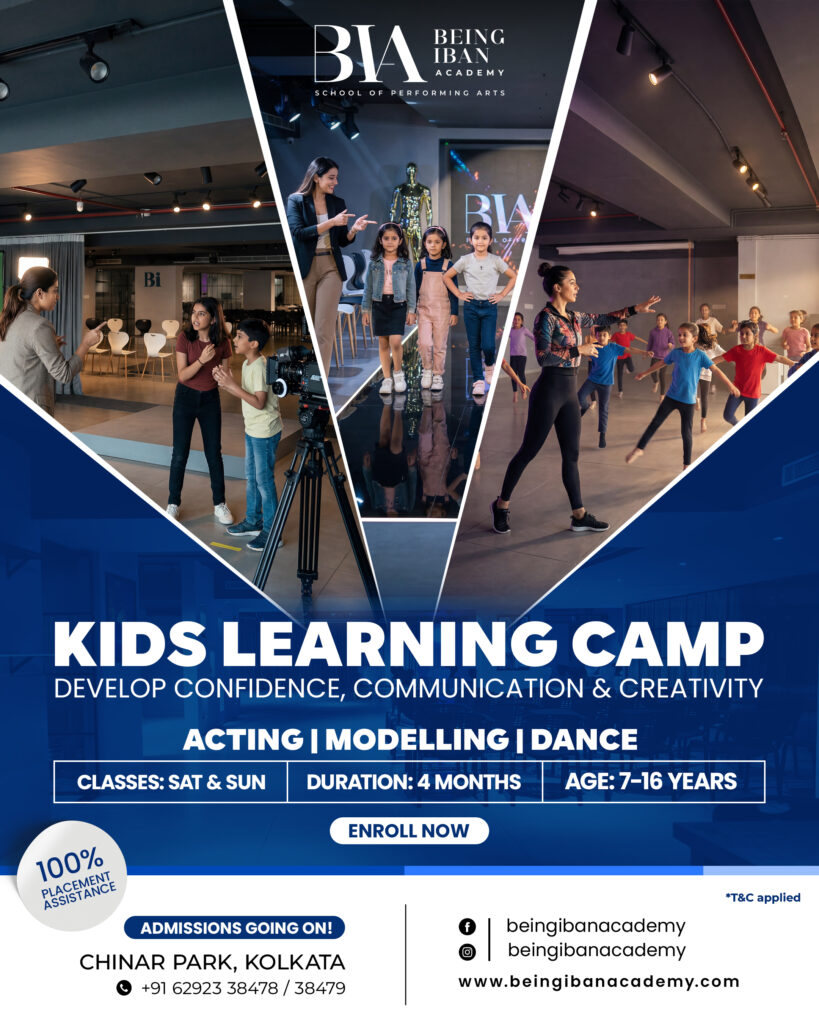
Creative activities make life skills learning enjoyable and practical. Drama, storytelling, role-play, dance, and performing arts for kids encourage collaboration, imagination, communication, and self-expression. Kids acting classes can help children become more comfortable speaking in front of others, working in teams, and accepting constructive feedback.
These activities support social skills development for children while encouraging creative thinking, cooperation, and confidence. They also help children discover their interests and develop individual strengths through practical experiences that reinforce essential life skills for children.
6. Leadership Skills and Responsibility
Leadership skills for children include accountability, cooperation, initiative, and responsible decision-making. Group projects, team activities, and classroom responsibilities allow children to practise these qualities in real situations.
A structured life skills development programme for kids can help children improve time management, adaptability, teamwork, and problem-solving. By practising these abilities, children strengthen their independence and develop life skills for children that support future academic and social responsibilities.
7. Preparing Children for Future Success
Life skills remain valuable throughout childhood and adulthood. Communication, leadership, emotional awareness, and adaptability help children navigate academic challenges, friendships, and new experiences. A holistic child development approach combines academic learning with practical abilities, positive behaviour, and personal growth.
At Being Iban Academy, children can participate in structured learning experiences designed to support communication, confidence, creativity, and personality development. Activities that encourage teamwork, public expression, and problem-solving can complement classroom education and help children practise essential life skills.
Being Iban Academy also aims to create a supportive learning environment where children can explore their abilities, express ideas, and develop confidence through guided participation. Combining personality development with practical learning can help children strengthen social interaction, self-awareness, and everyday decision-making while building life skills for children in a supportive setting.
Ultimately, life skills for children build a foundation for independence, meaningful relationships, and future success. A personality development course for kids in Kolkata can complement regular schooling by providing opportunities to practise communication, confidence, teamwork, and problem-solving. Investing in life skills development for children from an early age helps them grow into capable, confident, and responsible individuals.