How to Develop Better Communication Skills in Children for Success in 2026
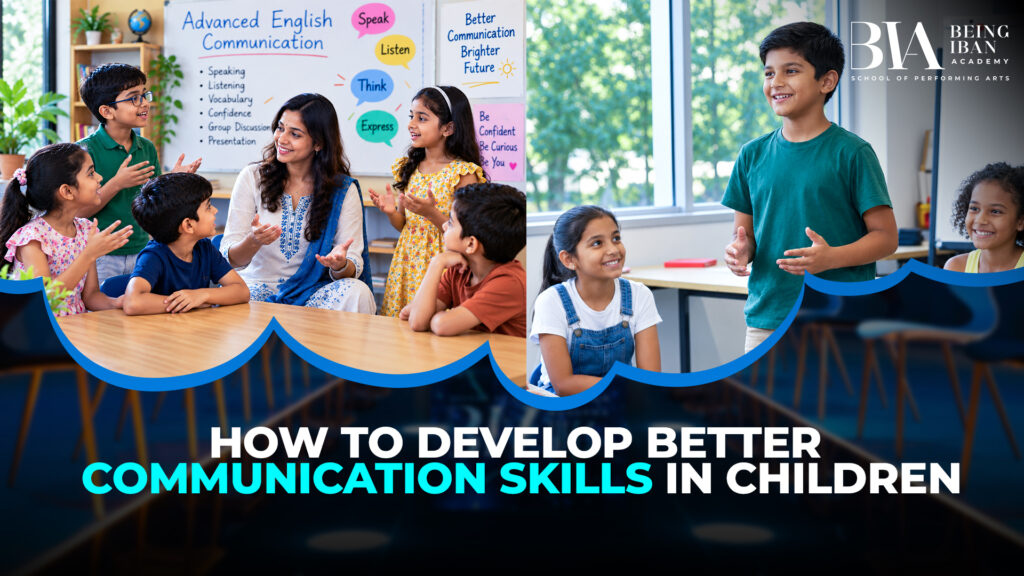
Communication skills in children are essential for building confidence, expressing emotions, and developing healthy relationships. In 2026, children need more than academic knowledge to succeed in school and social situations. Strong communication helps them express ideas clearly, listen actively, and interact respectfully. Parents can support communication skills development through everyday conversations, storytelling, creative activities, and confidence-building exercises.
1. Encourage Everyday Conversations
Everyday conversations are an effective way to improve communication skills in children. Parents can ask about their child’s day, favourite activities, and experiences. Open-ended questions encourage children to explain their thoughts and express opinions. Allowing children to speak without interruption helps them feel heard and respected. These simple habits strengthen communication skills for kids and help them become more confident in social situations.
2. Improve Vocabulary Through Reading and Storytelling
Reading helps children learn new words, sentence structures, and different ways to express ideas. Parents can encourage children to retell stories, describe characters, and invent alternative endings. These activities improve vocabulary, imagination, and verbal communication. Storytelling also supports personality development for children by helping them organise thoughts, communicate creatively, and develop confidence when speaking.
3. Teach Active Listening and Social Communication
Effective communication involves listening as well as speaking. Children need to learn how to pay attention, wait for their turn, and respond respectfully. Listening games, role-play, and group discussions make these skills enjoyable to practise. Developing active listening helps children understand different perspectives, build empathy, and improve social skills. These abilities are important for friendships, teamwork, and resolving disagreements.
4. Use Creative Activities for Self-Expression
Creative activities provide practical opportunities to develop communication skills in children. Drama, music, storytelling, and role-play encourage children to express ideas and emotions. Drama classes for kids and kids acting classes can help children practise clear speech, body language, teamwork, and self-expression. These activities also encourage imagination and participation in a supportive environment, helping children become more comfortable communicating with others.
5. Build Confidence Through Public Speaking
Public speaking can begin with simple activities at home. Children can describe a favourite book, talk about a hobby, or share an experience with family members. Gradually introducing small-group presentations can reduce hesitation and improve presentation skills. Confidence-building classes for kids may provide structured opportunities to practise speaking, improve body language, and communicate ideas clearly. Regular practice can help children become more comfortable expressing themselves in front of others.
6. Connect Communication With Essential Life Skills
Communication skills in children support problem-solving, decision-making, emotional awareness, and cooperation. Children who can explain their needs and listen to others may find it easier to manage disagreements and work effectively in groups. Life skills development for kids can combine communication activities with practical exercises that encourage independence, responsibility, and social awareness. These abilities support children’s development at school, at home, and in everyday life.
7. Develop Communication Skills in Children With Being Iban Academy
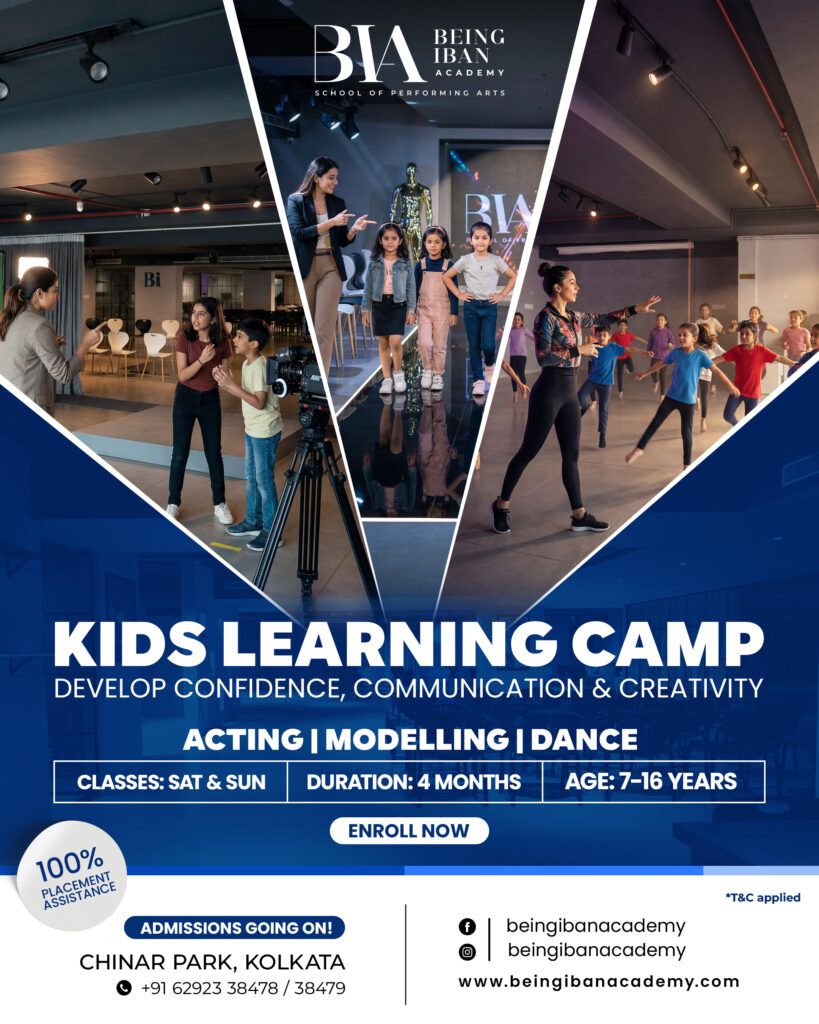
Being Iban Academy offers learning opportunities for children focused on communication, confidence, creativity, and personality development. Storytelling, group participation, and self-expression activities can give children opportunities to practise speaking and listening in a supportive learning environment.
Being Iban Academy also shares information about its activities and learning approach. Families exploring communication training and personality development can learn more about opportunities that encourage teamwork, confident expression, and interpersonal skills. Structured practice can complement children’s learning at home and school.
Conclusion
Developing communication skills in children requires patience, encouragement, and regular practice. Everyday conversations, reading, active listening, creative activities, and public speaking can help children become more confident communicators. In 2026, these abilities remain valuable for academic progress, social relationships, and personal growth. A personality development course for kids in Kolkata can complement these efforts by providing opportunities to practise communication, confidence, and essential life skills. With consistent support, children can build a strong foundation for future success.