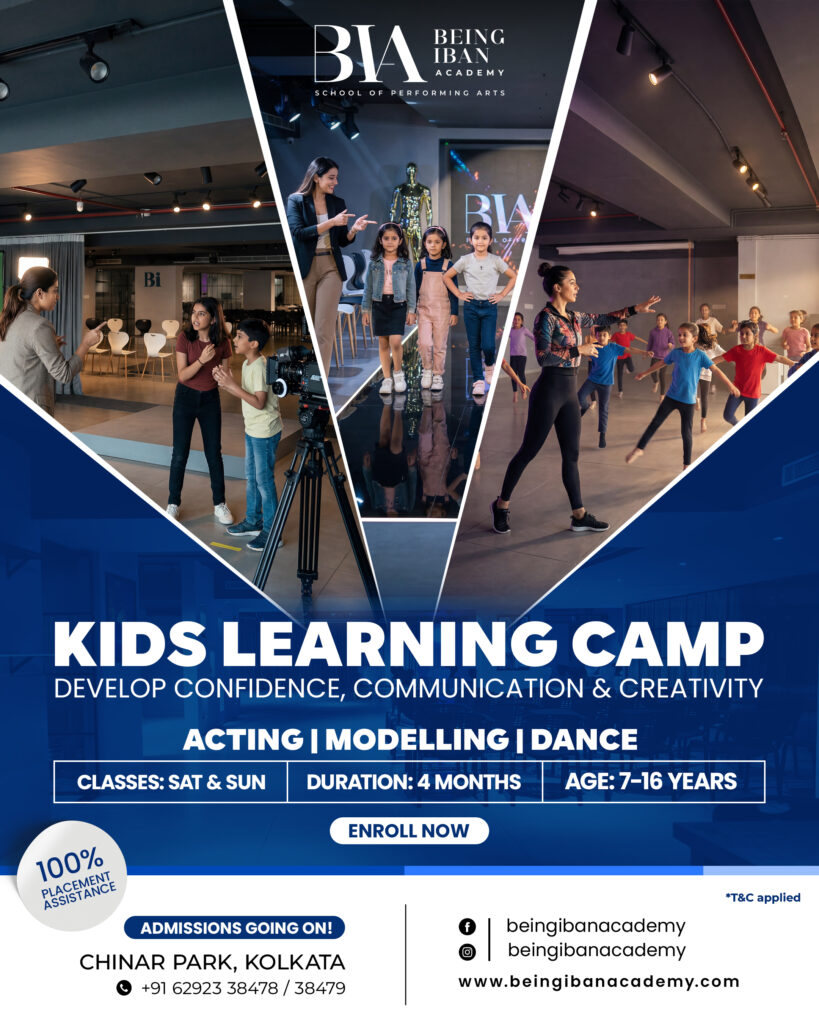
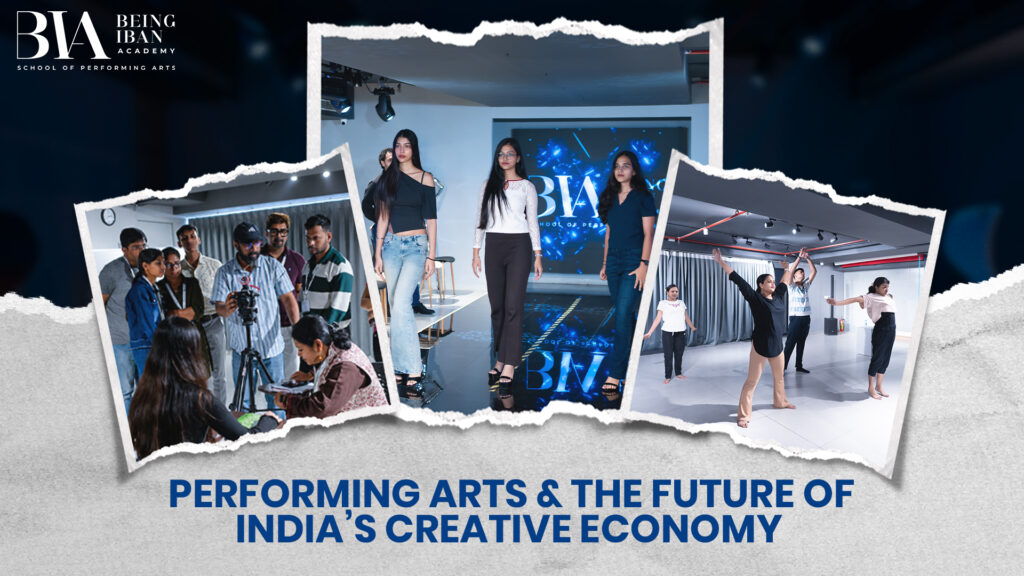
The future of India’s creative economy is closely connected with the growth of entertainment, digital media, advertising, fashion, theatre, and content creation. As these industries become increasingly interconnected, performing arts are becoming an important part of this expanding ecosystem. Skilled actors, models, dancers, presenters, and other creative professionals contribute to films, OTT platforms, live events, advertisements, music videos, theatre productions, and digital content. As audiences consume entertainment across more platforms, new possibilities are emerging for performers to develop diverse and sustainable creative careers.
The future of India’s creative economy can be understood through the growing importance of creative skills in modern entertainment. Acting, dance, modelling, and stage performance are no longer limited to traditional platforms. Digital campaigns, short-form videos, web series, branded content, social media productions, and independent projects have created additional spaces where performers can showcase their abilities. This diversification allows aspiring artists to explore different career paths while encouraging them to become more adaptable and versatile.
Professional preparation will play an important role in this growth. As opportunities increase, competition can also become stronger. Performers need technical abilities alongside confidence, communication, discipline, creativity, and professional awareness. Performing Arts Training can help aspiring artists develop skills such as voice modulation, body language, improvisation, facial expressions, movement, camera awareness, stage presence, and presentation. A structured Performing Arts Academy can provide a practical environment where these abilities can be developed through regular exercises, rehearsals, workshops, and performance-based learning.
Another important aspect of the future of India’s creative economy is the potential for creative entrepreneurship. Performers today can participate in independent productions, create digital content, collaborate with brands, build professional portfolios, and develop their own creative projects. This broader ecosystem allows artists to contribute not only as performers but also as creators and collaborators. At Being Iban Academy, practical exposure across different performing arts disciplines can help aspiring artists understand this wider creative landscape while developing their individual strengths and interests.
Technology is also changing how creative professionals present and promote their work. Social media platforms, digital portfolios, online auditions, video content, and streaming services have created new ways for artists to reach audiences and showcase their abilities. For aspiring performers, understanding digital presentation alongside traditional performance techniques can be valuable as the entertainment industry continues to evolve. Building confidence in front of cameras and learning how to communicate effectively through digital formats can complement formal performing arts training.
The growth of the creative economy can also create opportunities for professionals working behind the scenes, including directors, photographers, cinematographers, choreographers, stylists, editors, production teams, writers, and creative strategists. These professionals contribute to the development and delivery of entertainment projects, creating an interconnected ecosystem around performers and creators. As different creative fields continue to collaborate, education and professional training can help prepare individuals for a wider range of roles within the industry.
Practical experience will remain an important part of preparing for this evolving environment. Rehearsals, workshops, performances, auditions, creative projects, and collaborative activities can help aspiring artists understand professional expectations while developing their technical and interpersonal skills. Exposure to different disciplines can also help students discover their interests and understand how their abilities can be applied across various areas of entertainment and digital content.
Ultimately, the future of India’s creative economy represents an evolving relationship between talent, technology, education, entrepreneurship, and entertainment. As India’s creative industries continue to develop, performers who combine artistic ability with professional training, adaptability, communication skills, and continuous learning can be better prepared to participate in this expanding sector. Developing strong creative skills today can help aspiring artists explore opportunities across India’s diverse entertainment landscape and contribute to the continued growth of the country’s creative economy.