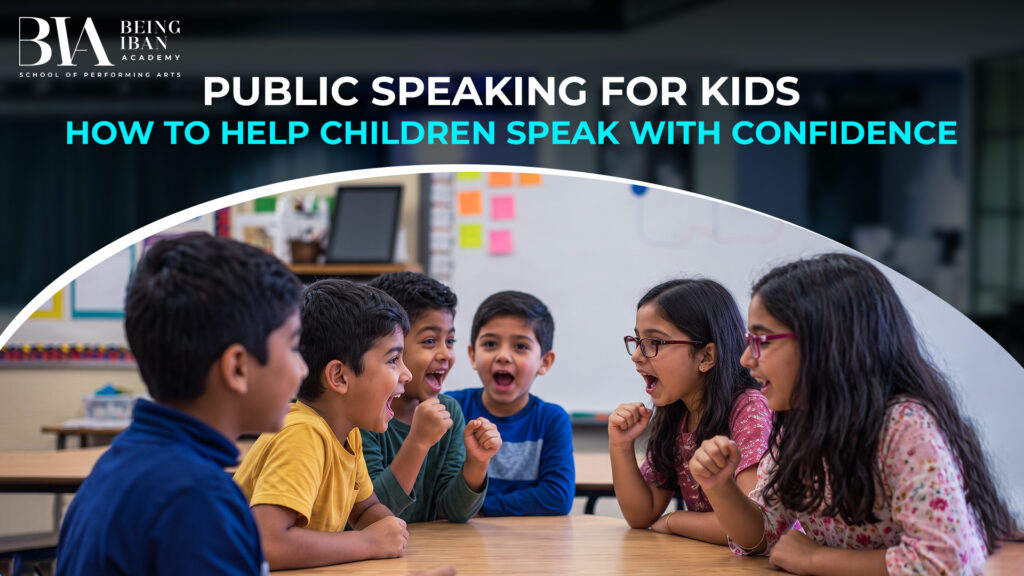
Public speaking is an important life skill that helps children express their thoughts, share ideas, and communicate confidently with others. From answering questions in the classroom to participating in group discussions and school events, speaking skills can support children’s academic and personal development. Public speaking for kids helps children become more comfortable expressing themselves, organising their thoughts, and interacting with different people.
With regular practice, patient guidance, and encouragement, children can gradually overcome hesitation and develop confidence when speaking in front of others.
Why Public Speaking for Kids Is Important
Public speaking for kids is about more than delivering a speech on a stage. It teaches children how to communicate ideas clearly, listen to others, and express their opinions respectfully. These abilities can help them participate more actively in school and build positive relationships with friends and teachers.
Children who practise speaking regularly may also become better at organising their thoughts and explaining their ideas. Whether they are introducing themselves, telling a story, or presenting a school project, these experiences provide valuable opportunities to improve communication skills.
Create a Comfortable Environment for Speaking
A supportive environment is the first step towards developing confident speakers. Parents can encourage children to share their daily experiences, discuss their favourite hobbies, and express their opinions during family conversations.
Listening patiently and avoiding harsh criticism can help children feel that their thoughts are valued. Instead of correcting every small mistake, parents can offer gentle suggestions and recognise their efforts.
This approach makes public speaking for kids a positive learning experience rather than a source of pressure. When children feel comfortable speaking at home, they may become more willing to communicate in classrooms and social settings.
Try Simple Public Speaking Activities for Kids
Regular practice can help children become familiar with speaking in front of others. Start with short, enjoyable activities and gradually introduce more challenging tasks as their confidence grows.
Some useful public speaking activities for kids include:
- Storytelling: Ask children to narrate a favourite story in their own words.
- Show and tell: Let them speak about a favourite toy, book, or personal interest.
- One-minute talks: Encourage them to talk briefly about an animal, hobby, or memorable experience.
- Role-play: Practise everyday situations such as introducing themselves or asking for help.
- Reading aloud: Help children improve pronunciation, expression, and speaking rhythm.
These activities make public speaking for kids engaging while helping children practise vocabulary, sentence formation, and clear expression.
Teach Body Language and Voice Control
Effective communication involves more than choosing the right words. Body language, facial expressions, posture, and voice also influence how a message is delivered.
Parents can teach children to stand comfortably, speak at an audible volume, and maintain natural eye contact when appropriate. Practising in front of a mirror or recording a short presentation can help children notice areas for improvement.
However, children should not be expected to perform perfectly. The goal of public speaking for kids is to help them communicate naturally and confidently, not to make every movement or sentence flawless.
Help Children Manage Speaking Anxiety
Feeling nervous before speaking in front of others is normal. Some children may worry about forgetting their words, making mistakes, or being judged by their classmates.
Parents can help by breaking speaking tasks into smaller steps. A child might first speak to a parent, then to a few family members, and eventually to a small group of friends. Simple breathing exercises and practising key points beforehand can also help children feel prepared.
Praise effort, preparation, and progress rather than focusing only on performance. With time and supportive guidance, public speaking for kids can become an opportunity to learn instead of something to fear.
How Drama and Acting Classes Can Help
Creative activities such as drama, storytelling, and role-play give children opportunities to explore different ways of expressing themselves. They can practise using their voice, gestures, facial expressions, and imagination in an enjoyable setting.
Drama classes for kids and kids acting classes may provide structured opportunities to speak, listen, collaborate, and perform. These activities can complement public speaking for kids by helping children become more comfortable communicating in front of a group.
When choosing a class, parents should look for an age-appropriate environment that encourages participation, creativity, and gradual improvement without unnecessary pressure.
Support Personality Development Through Communication
Public speaking is closely connected to broader personality development for kids. Children can learn to express opinions respectfully, listen to different viewpoints, work with others, and take greater responsibility for their communication.
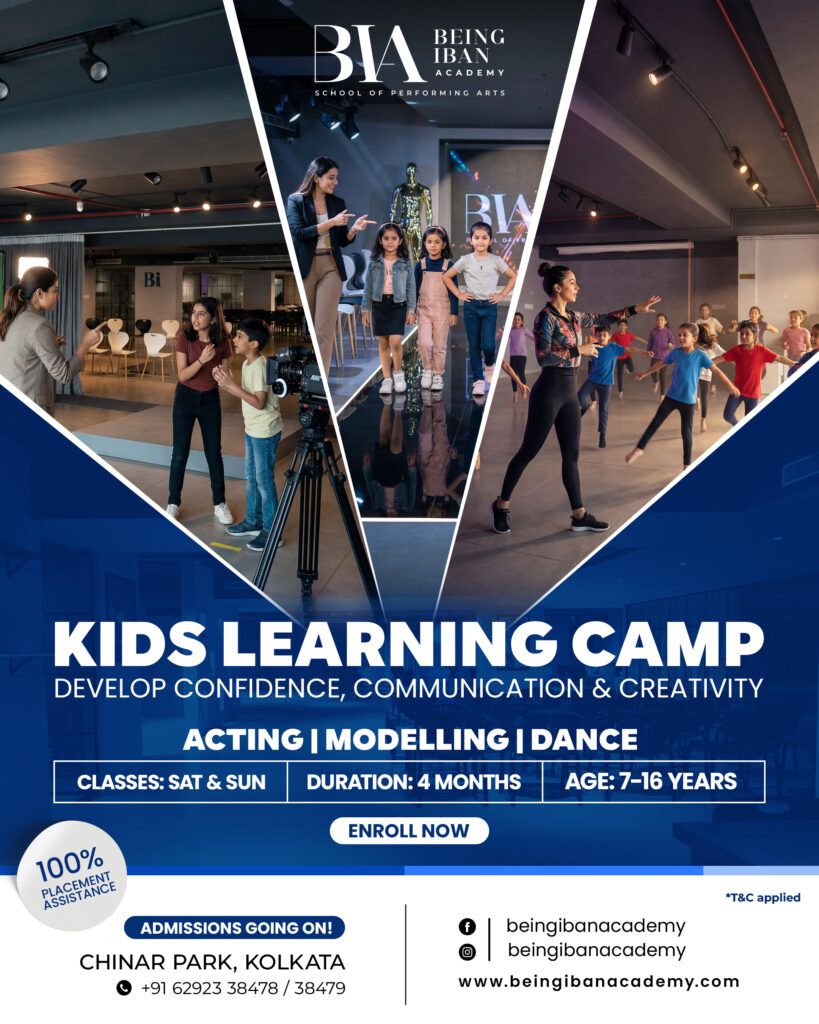
A personality development course for kids in Kolkata that includes communication practice and creative activities may complement a child’s school education. At Being Iban Academy, the Kidvance programme reflects a broader focus on children’s confidence, communication, and essential life skills.
Parents should choose learning opportunities that suit their child’s age, interests, and comfort level. Consistent encouragement at home, combined with suitable guided activities, can help children develop skills they can use in everyday life.
Conclusion: Build Confidence Through Public Speaking for Kids
Public speaking for kids is a gradual learning journey that begins with small conversations and grows through regular practice. By encouraging storytelling, reading aloud, role-play, and positive communication at home, parents can help children become more comfortable expressing their ideas.
Every child develops at a different pace, so patience and encouragement are essential. With supportive guidance and opportunities to practise, children can improve their communication skills, manage speaking anxiety, and express themselves with greater clarity and confidence. These abilities can support their education, relationships, and future opportunities.