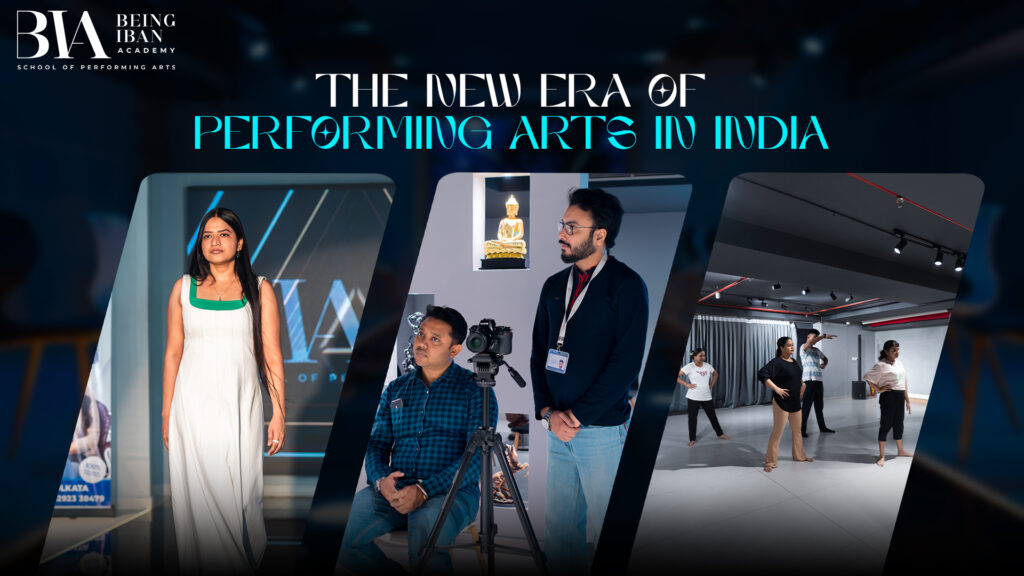
The New Era of Performing Arts in India reflects the rapid transformation of an industry that now extends far beyond traditional theatre, classical dance, and mainstream cinema. Today, aspiring performers can explore opportunities across films, television, OTT platforms, digital content, advertising, fashion, live events, theatre, music videos, and social media. This expanding ecosystem has created new possibilities for actors, dancers, models, and other creative professionals while also increasing the importance of professional skills, versatility, confidence, and continuous learning.
One of the most significant developments in the New Era of Performing Arts in India is the growing influence of digital platforms. OTT content, social media, and short-form videos have created additional opportunities for performers to showcase their abilities and connect with wider audiences. Performers are no longer limited to traditional production houses or theatrical opportunities. Digital platforms have introduced new storytelling formats and production styles, creating demand for artists who can adapt to different performance requirements and communicate effectively through both traditional and digital media.
This transformation has also changed what it means to be a professional performer. Talent remains important, but performers increasingly need strong communication skills, camera awareness, confidence, discipline, adaptability, and professional presentation. Performing Arts Training can help aspiring artists develop these qualities while strengthening technical abilities such as acting, movement, voice modulation, improvisation, stage performance, and camera-facing techniques. A structured Performing Arts Academy can provide a valuable foundation for individuals preparing to enter the competitive entertainment industry.
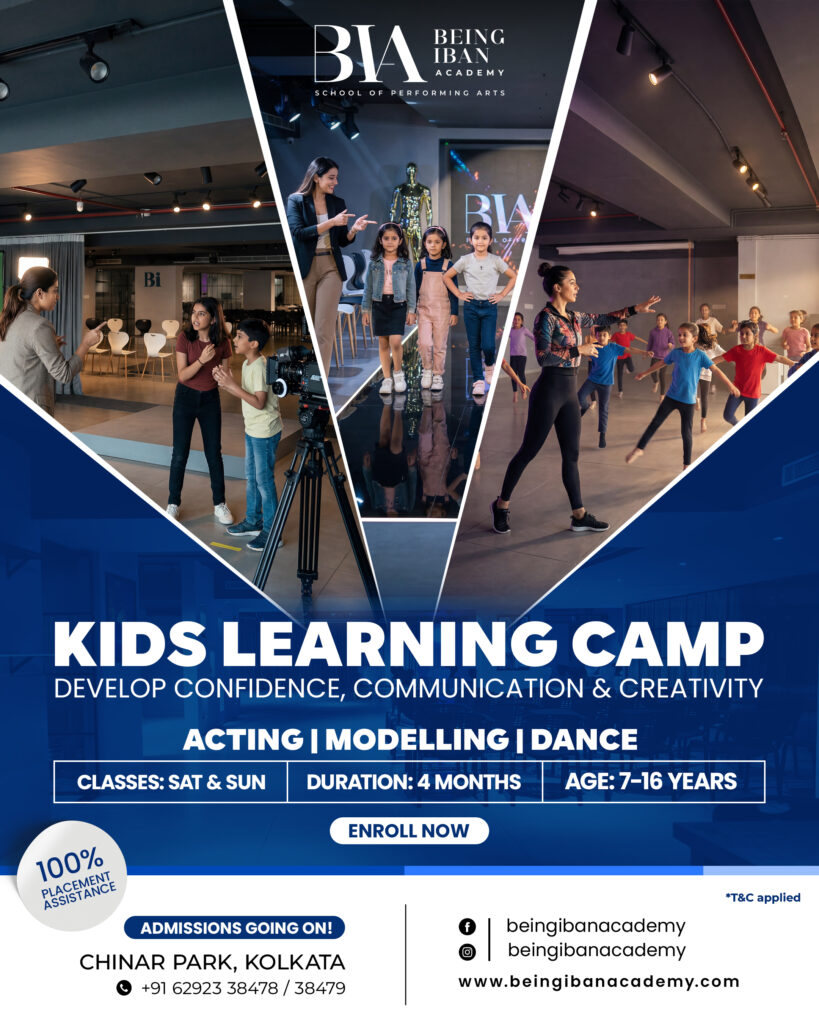
Another important aspect of the New Era of Performing Arts in India is the growing importance of practical exposure. Learning through rehearsals, workshops, auditions, performances, and creative projects can help students understand professional expectations and develop greater confidence. Practical training allows aspiring performers to apply classroom knowledge in realistic situations while learning how to respond to direction, feedback, and different performance environments. At Being Iban Academy, aspiring performers can explore different aspects of performing arts while developing their skills through structured learning and practical activities.
Exposure to multiple disciplines can also help students discover their individual strengths and interests. An aspiring actor may develop an interest in theatre, films, advertisements, television, or digital content, while a dancer may explore music videos, live events, stage productions, cinema, or online performances. Exploring different areas can help students understand where their abilities and interests may fit within the wider entertainment industry.
The industry is also becoming increasingly interconnected, creating opportunities for performers to work across multiple disciplines. An actor may find opportunities in films, advertisements, theatre, television, and digital content, while a dancer may work in music videos, live shows, cinema, events, and online productions. This growing diversity makes versatility an increasingly valuable quality for aspiring professionals. The ability to learn new techniques, adapt to different environments, and collaborate with diverse creative teams can support continued professional development.
Technology has further influenced how performers build their professional presence. Social media platforms allow artists to share their work, create portfolios, develop audiences, and discover creative opportunities. Short videos, digital campaigns, online auditions, and creator-led content have added new ways for performers to demonstrate their skills. For aspiring artists, learning how to present themselves professionally online can complement formal training, practical experience, and traditional audition opportunities.
Professional preparation is therefore becoming an important part of a performer’s journey. Along with developing artistic ability, students can benefit from learning about punctuality, teamwork, communication, presentation, audition etiquette, and professional conduct. These qualities can help performers approach different opportunities with greater preparation and awareness. Continuous learning is equally important because performance styles, audience preferences, technologies, and production methods continue to evolve.
Ultimately, the New Era of Performing Arts in India brings exciting opportunities as well as new professional expectations. As the industry continues to evolve, aspiring performers can benefit from combining creativity with professional training, adaptability, communication skills, confidence, and practical experience. Developing a strong foundation can help artists understand the changing demands of the industry and prepare themselves for opportunities across India’s diverse entertainment and performing arts sector.