A child’s development involves much more than academic learning and intellectual growth. The ability to understand emotions, express feelings appropriately, and respond thoughtfully to others is equally important for building healthy relationships and developing confidence. Emotional intelligence in children helps them recognise what they feel, understand how their actions affect others, and manage everyday challenges. By supporting these abilities from an early age, parents can help children develop emotional awareness, social understanding, and practical life skills.
1. Self-Awareness Helps Children Understand Their Feelings
Self-awareness is one of the foundations of emotional intelligence. Children gradually learn to identify emotions such as happiness, sadness, anger, disappointment, and excitement. Understanding these feelings can help them explain their experiences instead of reacting through frustration or withdrawal.
Parents can encourage self-awareness by asking children how they feel about everyday situations and listening without judgement. Storybooks, conversations, and simple emotion-identification activities can also help children recognise different feelings.
Developing emotional intelligence in children starts with teaching them that every emotion is valid, while their responses to those emotions can be guided in healthy ways.
2. Emotional Regulation Builds Resilience
Children experience disappointment, disagreements, and frustration as they grow. Learning to manage these emotions can help them respond more thoughtfully when something does not go as planned.
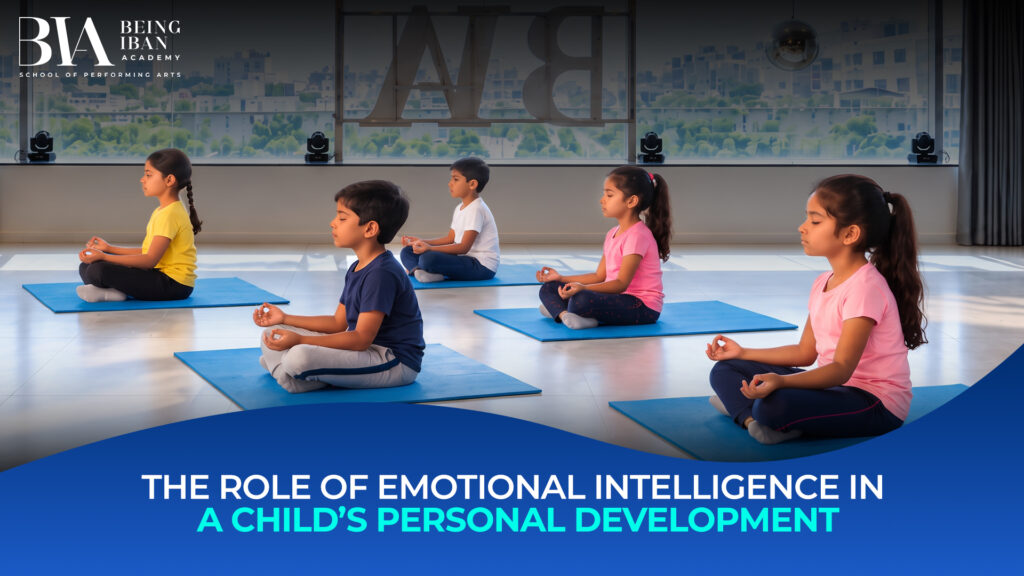
Parents can introduce simple strategies such as taking a few deep breaths, pausing before responding, describing the problem, or asking a trusted adult for help. These approaches allow children to practise calming themselves and considering possible solutions.
Emotional regulation does not mean expecting children to remain happy all the time. Instead, emotional intelligence in children involves helping them understand difficult feelings and develop appropriate ways to manage them. Over time, these experiences can support resilience, patience, and independence.
3. Empathy Encourages Stronger Relationships
Empathy is the ability to recognise and consider another person’s feelings. It helps children understand that different people may have different experiences, needs, and perspectives.
Parents can develop empathy through storytelling, role-playing, and conversations about everyday interactions. Asking questions such as “How do you think your friend felt?” can encourage children to consider situations from another person’s point of view.
These experiences support social skills development and can help children become more considerate in group activities. As emotional intelligence in children develops, they may become better equipped to listen to others, offer support, and respond respectfully when opinions differ.
4. Communication Skills Help Children Express Emotions
Emotional intelligence in children and communication skills are closely connected. Children need to understand their feelings and find suitable ways to express them. Clear communication can help them explain problems, ask for support, and resolve misunderstandings.
Parents can encourage children to use words to describe their feelings rather than relying on shouting or withdrawing from conversations. Active listening is equally important because it teaches children to pay attention to others and respond thoughtfully.
Activities such as group discussions, storytelling, drama, and role-play can provide opportunities to practise these abilities. Emotional intelligence in children can support healthier communication by helping them recognise emotions, understand context, and choose appropriate responses.
5. Decision-Making Prepares Children for Everyday Challenges
Emotional intelligence in children can influence how they make decisions, solve problems, and respond to social situations. When children understand their emotions, they may find it easier to pause, consider consequences, and choose a suitable response.
Parents can support this development by giving children age-appropriate choices and encouraging them to think through possible outcomes. For example, after a disagreement with a friend, a parent might help the child consider different ways to explain their feelings or resolve the problem.
These experiences promote independence and practical life skills. Developing emotional intelligence in children can help them approach challenges with greater awareness, reflect on their behaviour, and learn from everyday experiences.
How Parents Can Support Emotional Development
Emotional intelligence develops gradually through guidance, practice, and positive role modelling. Parents can support this process by listening patiently, acknowledging children’s feelings, setting appropriate boundaries, and demonstrating respectful communication in their own interactions.
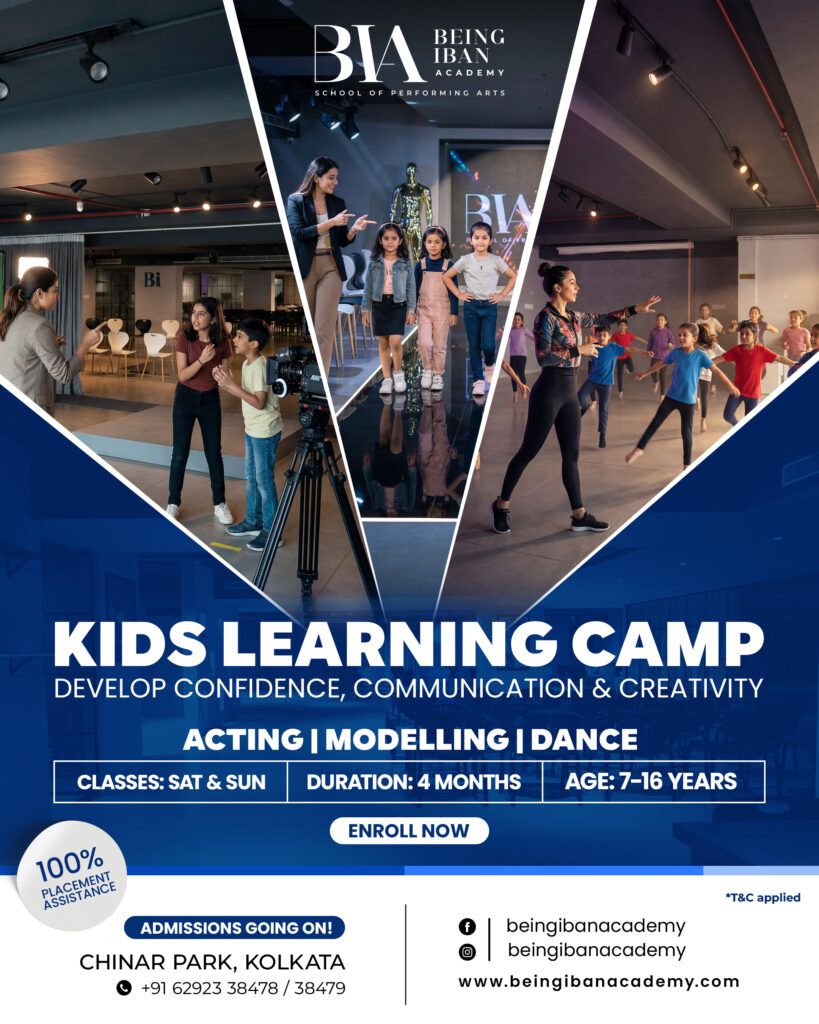
Creative activities can also help children explore emotions in a supportive environment. Drama classes for kids and kids acting classes may provide opportunities to understand character motivations, practise facial expressions, and explore different perspectives. These activities can complement other experiences that encourage empathy, communication, and confidence.
A structured personality development course for kids in Kolkata may also complement school education by encouraging social awareness, communication, and practical life skills. At Being Iban Academy, the Kidvance programme focuses on children’s confidence, communication, and essential life skills. Parents can explore suitable learning opportunities that match their child’s age, interests, and developmental needs.
Conclusion: Helping Children Grow With Emotional Awareness
Emotional intelligence in children plays an important role in personal development because it helps them understand themselves, consider other people’s feelings, and respond thoughtfully to everyday challenges. Self-awareness, emotional regulation, empathy, communication, and decision-making are useful abilities that can support children’s relationships and independence.
Parents do not need to expect perfect emotional control. Instead, they can create opportunities for children to practise expressing feelings, listening carefully, and solving problems with guidance. Consistent encouragement and positive role modelling can make these lessons part of everyday life.
By supporting emotional development alongside academic learning, families can help children build a foundation for healthier relationships, greater resilience, and lifelong learning. Emotional intelligence is not developed overnight; it grows through daily experiences, patient guidance, and the opportunity to learn from mistakes.