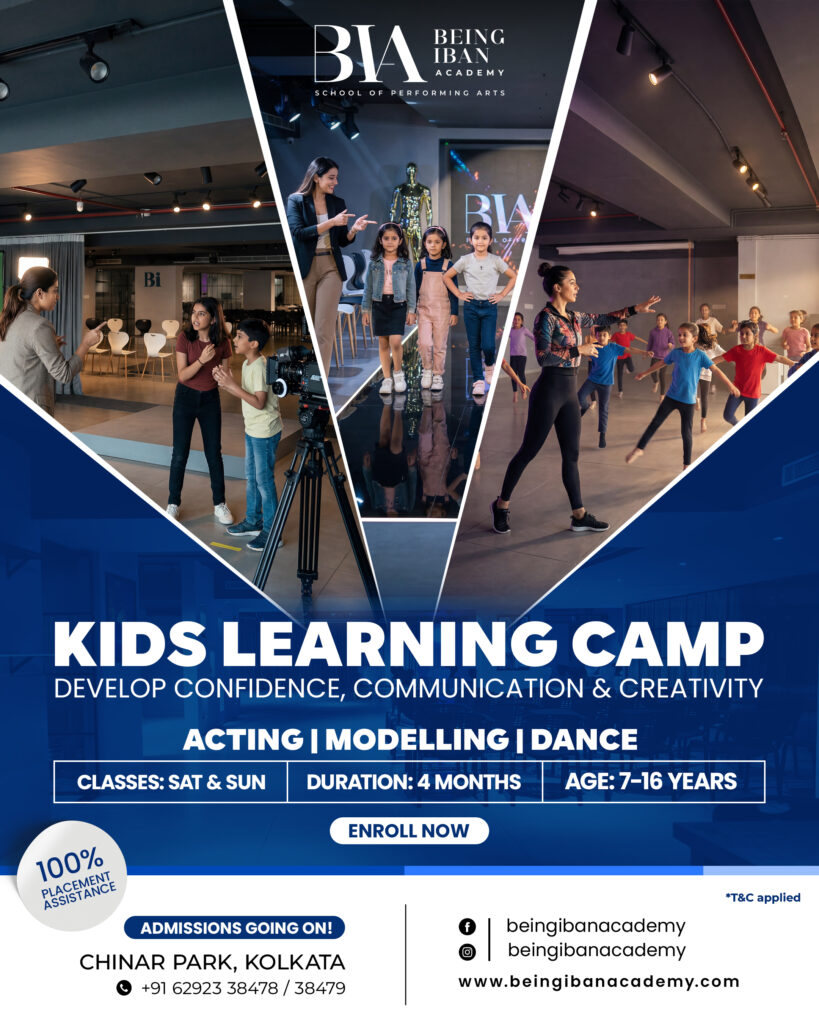
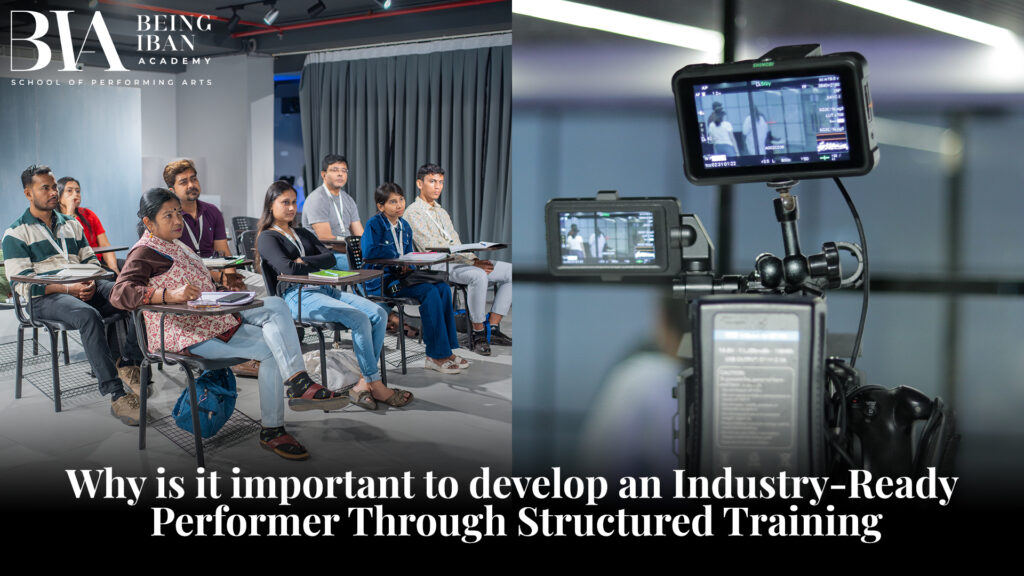
Becoming a successful performer requires more than natural talent or passion. The entertainment industry demands confidence, discipline, adaptability, communication, and the ability to perform consistently in professional environments. This is why developing an Industry-Ready Performer Through Structured Training is so important for aspiring actors, models, dancers, and other creative professionals. Structured training provides learners with a clear foundation while helping them understand the expectations of the professional industry. A well-designed Performing Arts Academy can bring together practical exercises, expert guidance, performance opportunities, and personality development to help students prepare for real-world challenges.
An Industry-Ready Performer Through Structured Training learns how to transform potential into practical ability. In acting, this can include voice modulation, facial expressions, body language, improvisation, character development, camera-facing techniques, and audition preparation. For models, training may involve ramp walking, posture, grooming, expressions, posing, and professional presentation. Regular practice helps performers become more comfortable in front of an audience or camera while developing the confidence required to respond naturally in different situations. Acting Training and Modeling Training therefore become more effective when they are organised around progressive learning rather than isolated activities.
Another important advantage of structured training is the development of professional discipline. The entertainment industry often involves auditions, rehearsals, workshops, shoots, performances, and collaborations with different professionals. An Industry-Ready Performer Through Structured Training learns the importance of punctuality, preparation, teamwork, communication, and accepting constructive feedback. These qualities can significantly influence how a performer handles professional opportunities. Training also helps students understand that creativity and professionalism need to work together to build a sustainable career.
At Being Iban Academy, practical exposure can help aspiring performers understand how skills developed in the classroom translate into real performance environments. Working through rehearsals, practical assignments, camera exercises, and performance-based activities allows students to identify their strengths while gradually improving areas that need attention. Such experiences can make the transition from learning to professional opportunities more confident and organised.
Ultimately, becoming an Industry-Ready Performer Through Structured Training is about preparing for the realities of a competitive creative industry. Talent may create an opportunity, but consistent skills, confidence, discipline, and professional behaviour help performers make the most of it. A structured Performing Arts Academy can provide the environment needed to develop these qualities systematically, helping aspiring performers move from passion and potential towards professional readiness.